When someone in your life is facing a move, a useful gift is one of the most supportive gestures you can make. With that in mind, we’ve compiled an Ultimate Gift Guide to help you find something great for anyone in your life who is making a big move.
The Ultimate Gift Guide for moving out
Selecting the perfect gift is about striking the balance between practical and thoughtful: something that not only says, "I'm thinking of you," but also, "I've got your back." Making the right choice might feel daunting. From first home gifts to gifts for moving out, we’ve compiled our top ten gift recommendations that are sure to prove useful for the mover in your life.
1. Essentials for every tool kit
One of the first truths any new homeowner or renter discovers is that no matter how perfect a place might seem, there will always be something to tweak, fix, or enhance. That's why a good tool kit is an essential first time home buyer gift that will set them up for success.
As a helpful home improvement gift, consider putting together a starter set designed to handle those ‘just in case’ moments:
- Digital Multimeter
- Adjustable Wrench
- Screwdrivers
- Needle-Nose Pliers
- Putty Knife
- Utility Knife
- Allen Wrenches
- Channel Locks
- Level
- Plug Testers

2. Smart home, safe home
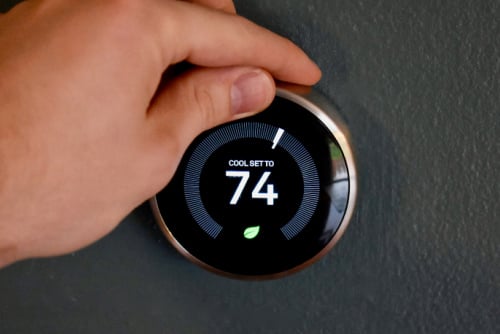
In today's world, making a home smart is almost as essential as furnishing it. Here are a few recommendations to make any new space safer and more connected:
- Ring Doorbell: See who's at the door from anywhere. It’s peace of mind, especially for those late-night pizza deliveries.
- Smart Speaker or Home Assistant Device: Play music, set reminders, control lights—all with your voice. It's like having a personal assistant, minus the salary.
- Safety Devices: These can include smart smoke detectors, carbon monoxide alarms, fire extinguishers.
Smart devices can transform a house into a safe, efficient, and cozy home. Need help with installing smart home features? Chat with an electrical Expert from Frontdoor.
3. Keeping clean and green
A clean home is a happy home, but why not add an eco-friendly twist? Here are some essentials for maintaining a spotless and sustainable living space:
- Cleaning Supply Basics: Gift a set of eco-friendly products like biodegradable wipes, natural surface cleaners, and microfiber cloths. They do the job without harming the planet.
- Indoor Air Purifier: Freshen up the air they breathe. A purifier is especially great for allergy sufferers or city dwellers.
- Energy Efficient Light Bulbs: Brighten their home while cutting down on energy bills. Little changes can make a big difference.
Don’t forget, Frontdoor Unlimited members get access to discounted products like cleaning supplies from Grove or air filters from filtersfast.com.
4. When they need a helping hand
Sometimes, the best gift is a break from all the chores and to-dos. Here are a couple of thoughtful ways to lend a hand, even from afar:
- Home Cleaning Services: A voucher for a professional cleaning session can be a lifesaver during the chaos of moving and settling in.
- Portable Generator for Emergency Power: For those unexpected power outages, a portable generator can be a real hero, keeping the lights on and the fridge running.
Giving some extra help in the form of services or emergency solutions shows you’re there for them, in both big and small ways.
Frontdoor Unlimited: the moving gift that keeps giving
The most impactful gift for moving out is the gift of peace of mind and convenience — which is why we’ve made sure everyone can give the gift of Frontdoor Unlimited.
With unlimited home repair and maintenance advice, your loved ones can enjoy real-time help from Experts with just a tap on their phone. Whether they're dealing with a leaky faucet or a flickering light, they'll have professional guidance at their fingertips.
Gifting a Frontdoor Unlimited Membership is more than a nice gesture. It’s a way to show you care about their comfort and well-being in their new home. It’s the kind of present that keeps on giving, offering support and solutions long after the housewarming flowers have wilted.
Was this article helpful?